
Sustainability · · 7 min read
Sustainable building materials for homes in India
Sustainable building materials in India: AAC blocks, fly ash bricks, stone, lime, bamboo, timber and glazing for cooler, longer-lasting homes.
 By Nilambari TupeArchitect and founder, IO Studio
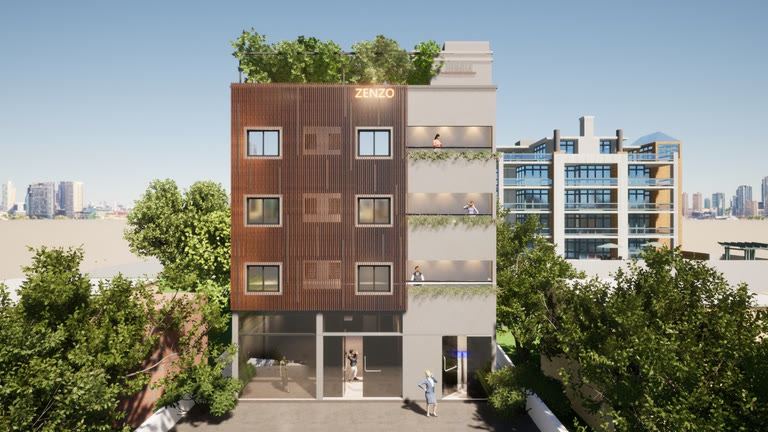
Searches for "building materials" and "sustainable building design" in Maharashtra have grown by around 40% in recent years. The materials you choose decide how cool your home stays, how much energy it uses, how long it lasts and how it ages. Here is a practical guide to sustainable choices for homes in India.
What makes a material sustainable?
- Local: less transport, and suited to the climate.
- Low embodied energy: less energy used to make it.
- Durable: lasts decades with little maintenance.
- Healthy: low in toxic finishes and emissions.
- Thermally useful: helps keep the home cool.
Walls
AAC blocks
Autoclaved aerated concrete blocks are light and insulate well, which helps keep rooms cooler. They are widely available around Pune and quick to build with.
Fly ash bricks
Made using fly ash, a by-product of thermal power plants, these bricks reduce the use of fired clay and are consistent in size and strength.
Stone and exposed brick
Local stone and well-made brick have thermal mass that evens out temperature swings, and they age beautifully, needing no paint.
Rammed earth and compressed earth blocks
Earth-based walls have very low embodied energy and a natural, calm finish. They need careful detailing for the monsoon but are excellent for farmhouses and low-rise buildings.
Plaster and finishes
Lime plaster lets walls breathe, resists mould and develops a soft patina. Low-VOC paints and natural oils for timber keep indoor air healthier.
Roofs
The roof takes the most sun. Insulation, reflective finishes, a ventilated roof, a terrace garden or a pergola all reduce heat entering the top floor.
Timber and bamboo
Responsibly sourced or reclaimed timber, and engineered bamboo, bring warmth to interiors and joinery. Bamboo grows quickly and is strong for screens, ceilings and furniture.
Glazing and shading
Windows are where most heat enters. Shade glass from outside with chajjas, louvres and fins, and use performance glazing on exposed sides. Read 9 building elevation design ideas.
Flooring
Natural stone such as Kota or Shahabad, terrazzo and clay tiles are durable, cool underfoot and easy to maintain.
Water and landscape
Rainwater harvesting, permeable paving and native planting are part of a sustainable material strategy, keeping water on site and the surroundings cool. See landscape design ideas.
Materials are only half the answer
The most sustainable building is one that needs little energy to be comfortable. Orientation, shading, cross ventilation and daylight matter as much as any material. That is the approach behind our green building design work, including the louvred, planted facade of Zenzo Hostels.
Talk to us about choosing materials for your home or building.
Frequently asked questions
Are sustainable materials more expensive?
Not necessarily. Locally available materials such as stone, fly ash bricks and AAC blocks are often cost-competitive, and good insulation and shading reduce running costs for the life of the building.
Which wall material keeps a house coolest in Pune?
Materials with good insulation or thermal mass, such as AAC blocks, cavity walls or thick stone and brick walls, combined with shading on the outside, keep interiors cooler. Shading the wall and window is as important as the material itself.
Planning a project in Pune?
Talk to IO Studio about your home, interior or café.
Book a consultationKeep reading
Guides · · 7 min read
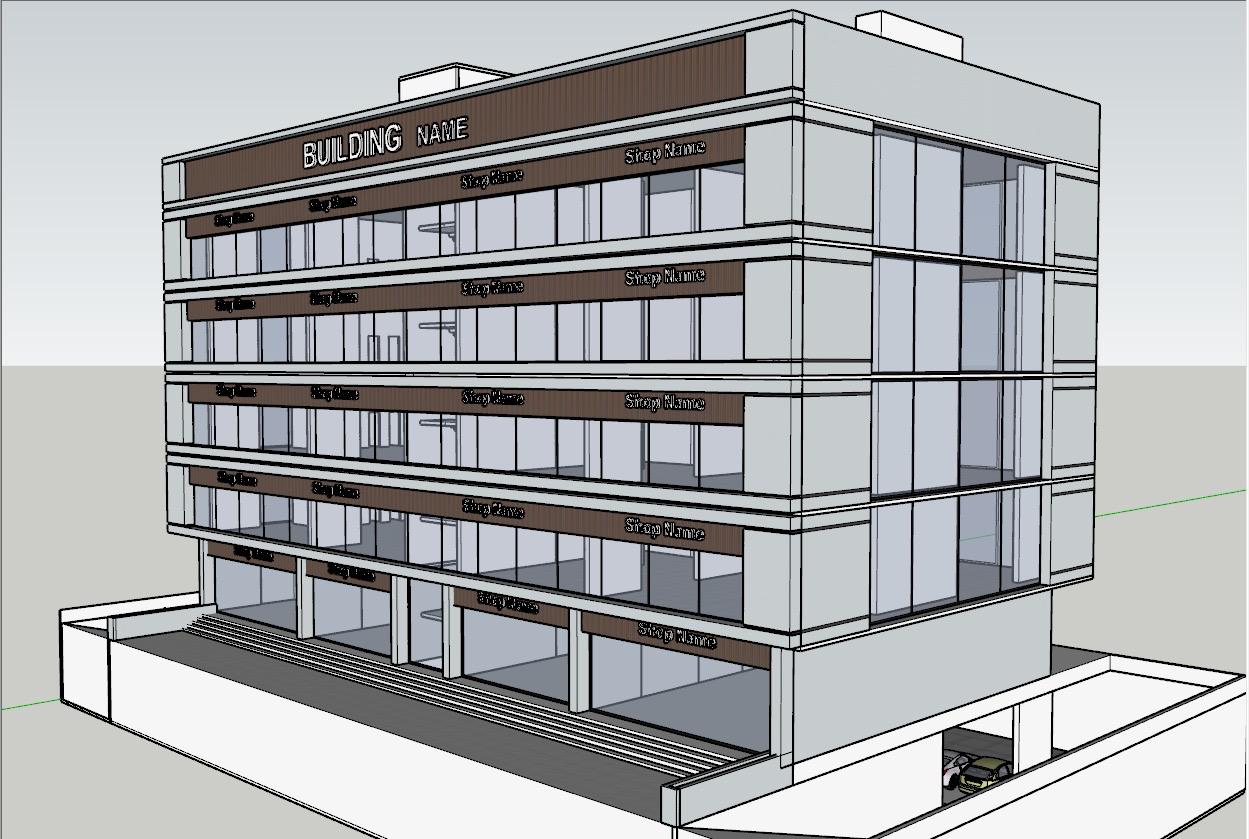
Commercial building design in Pune: shops, offices and parking
How to design a commercial or office building in Pune: street frontage, signage, daylight, facades, parking, services and planning for tenants.
Ideas · · 6 min read
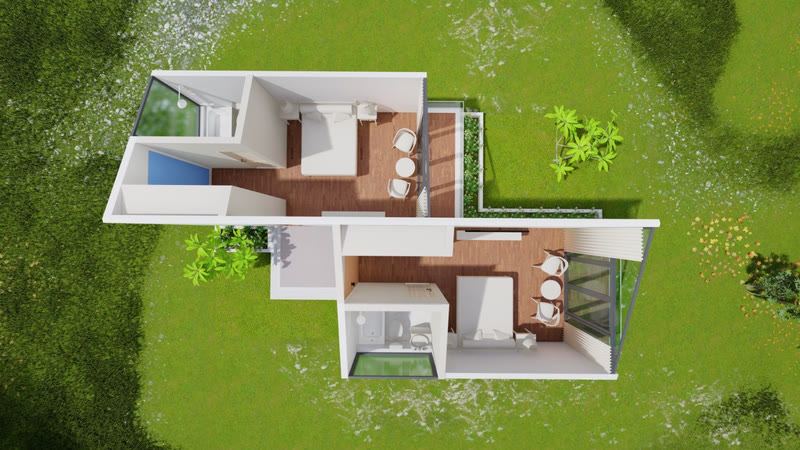
Courtyard house design: light, air and green at the heart of the home
Why courtyard houses suit the Indian climate, and how to design a modern courtyard home with natural light, cross ventilation, privacy and greenery.
Guides · · 7 min read
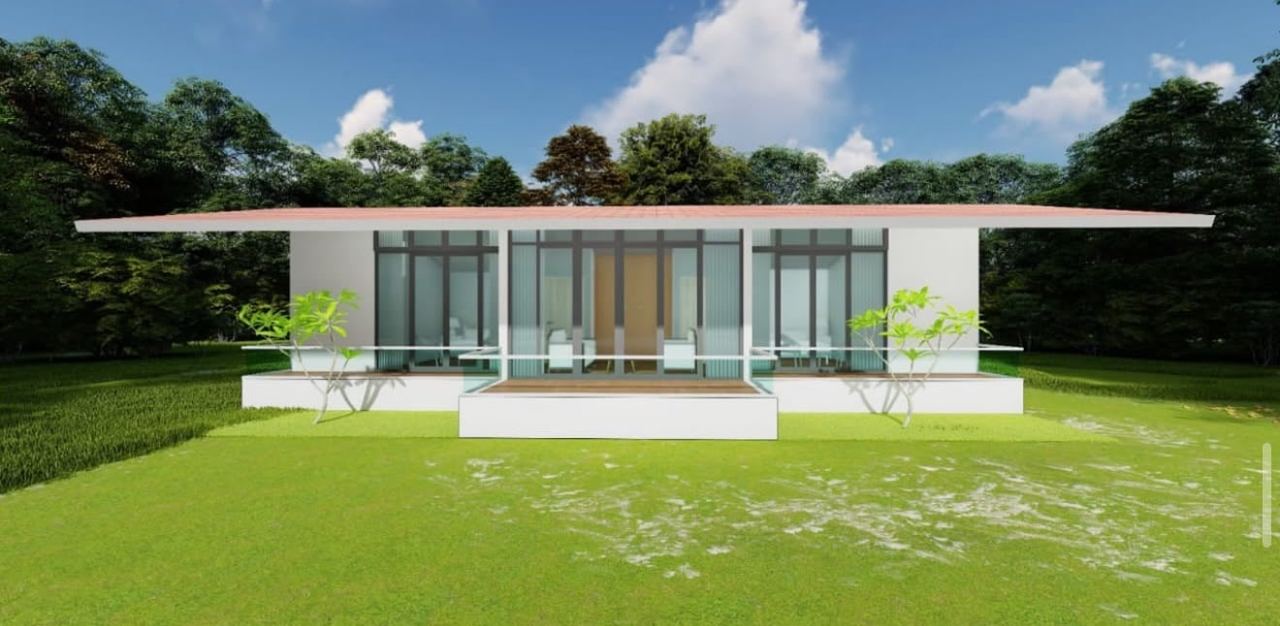
Farmhouse and weekend home design near Pune
Planning a farmhouse or weekend home near Pune in Mulshi, Panshet or Lonavala? Site, monsoon, orientation, materials and low-maintenance design tips.