
Sustainability · · 6 min read
Cross ventilation and natural light: designing cooler homes in India
How cross ventilation, stack effect, shading and daylight can keep homes in Pune cool and bright with less air conditioning. Practical green building design ideas.
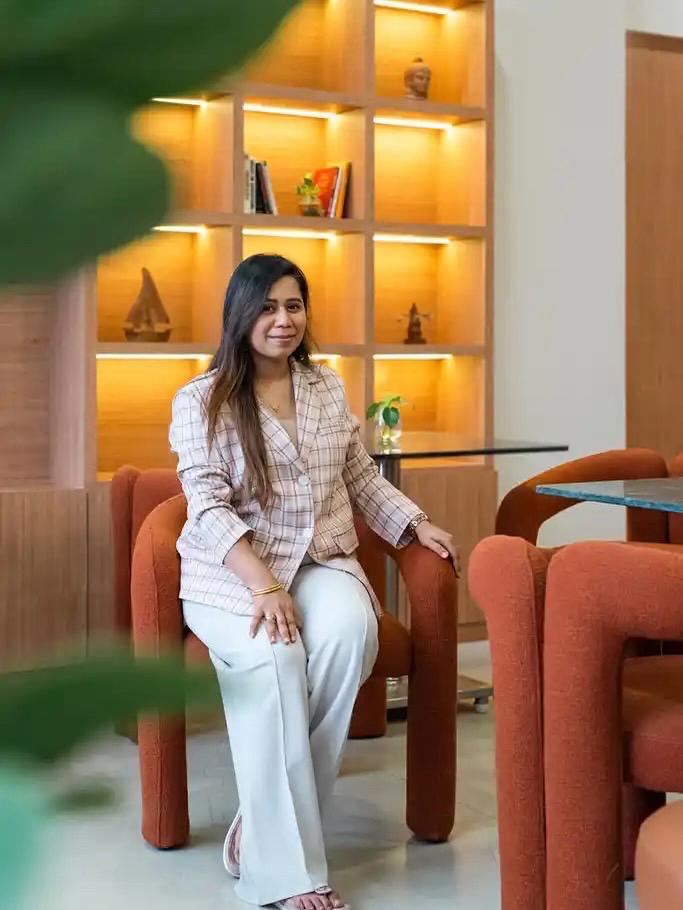 By Nilambari TupeArchitect and founder, IO Studio
At IO Studio we believe architecture should create a seamless connection between indoors and outdoors. That is a design philosophy, but it is also the most practical way to build a comfortable, low-energy home in India.
Here is how light and air shape our homes.
Cross ventilation: the simplest cooling there is
Air moves when there is somewhere for it to go. A room with windows on two opposite or adjacent walls will always feel cooler than a room with a single window, even at the same temperature.
- Place openings to face the prevailing breeze (in much of Pune, broadly from the west and southwest during the warmer months).
- Make the outlet opening equal to or larger than the inlet.
- Keep internal doors, screens and jali in the path of the breeze, so air can flow through the whole home.
Stack effect: let hot air out at the top
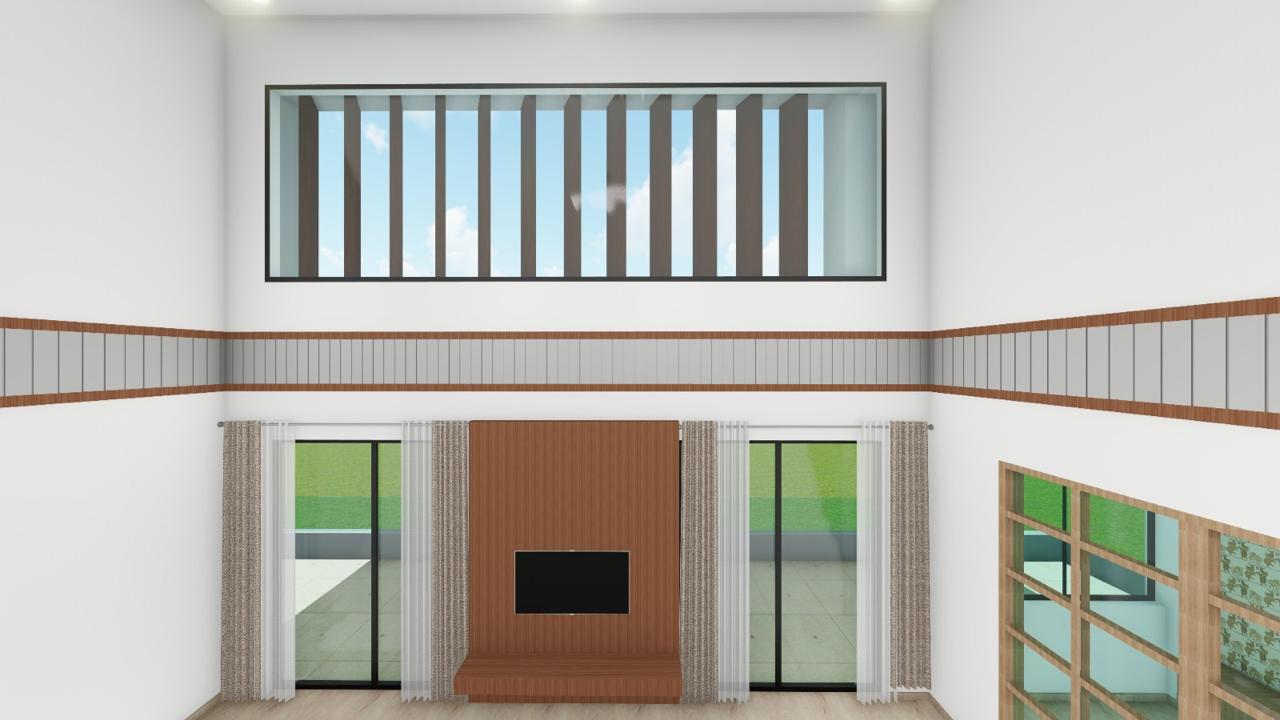
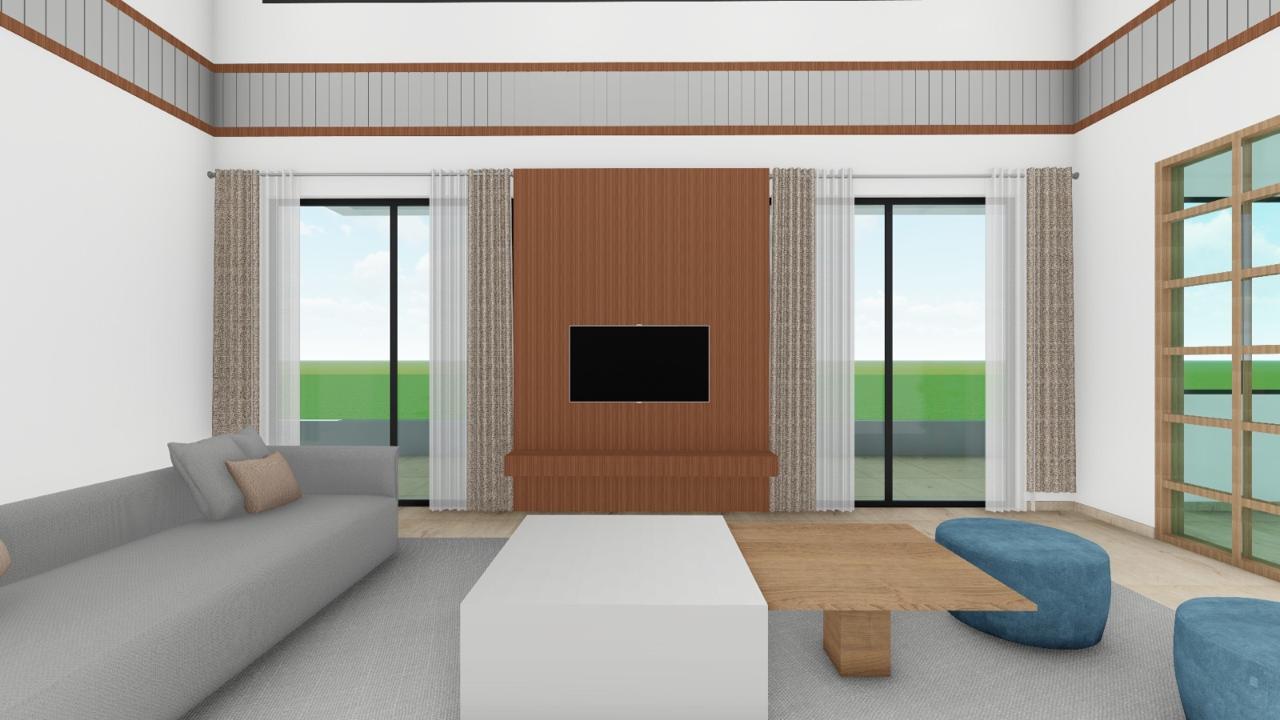
Warm air rises. A double-height space, stairwell or courtyard with high openings lets it escape, which pulls cooler air in from low windows and shaded gardens. In Janaai, clerestory louvres above the living room do exactly this.
Shade the glass, not the room
Glass lets heat in. The trick is to stop sunlight before it reaches the glass:
- South: horizontal chajjas and frames block high sun.
- West and east: vertical fins and louvres block low sun.
- Everywhere: trees and planting cool the air around the house.
Daylight without glare
Good daylight is soft and even. Clerestories, light shelves, pale ceilings and courtyards spread it deep into the plan. Large unshaded windows, by contrast, often bring glare and heat, and curtains end up closed all day.
Greenery as climate control
Planted terraces, facade planters and courtyard trees lower surrounding temperatures, filter dust and, just as importantly, make a home a calmer place to be.
What this means for your bills
A well-designed passive home will not eliminate air conditioning in every room in the hottest weeks, but it can mean far fewer hours of it through the year, and lights that stay off during the day.
Explore our green building design approach, or talk to us about your site.
Planning a project in Pune?
Talk to IO Studio about your home, interior or café.
Book a consultationKeep reading
Guides · · 7 min read
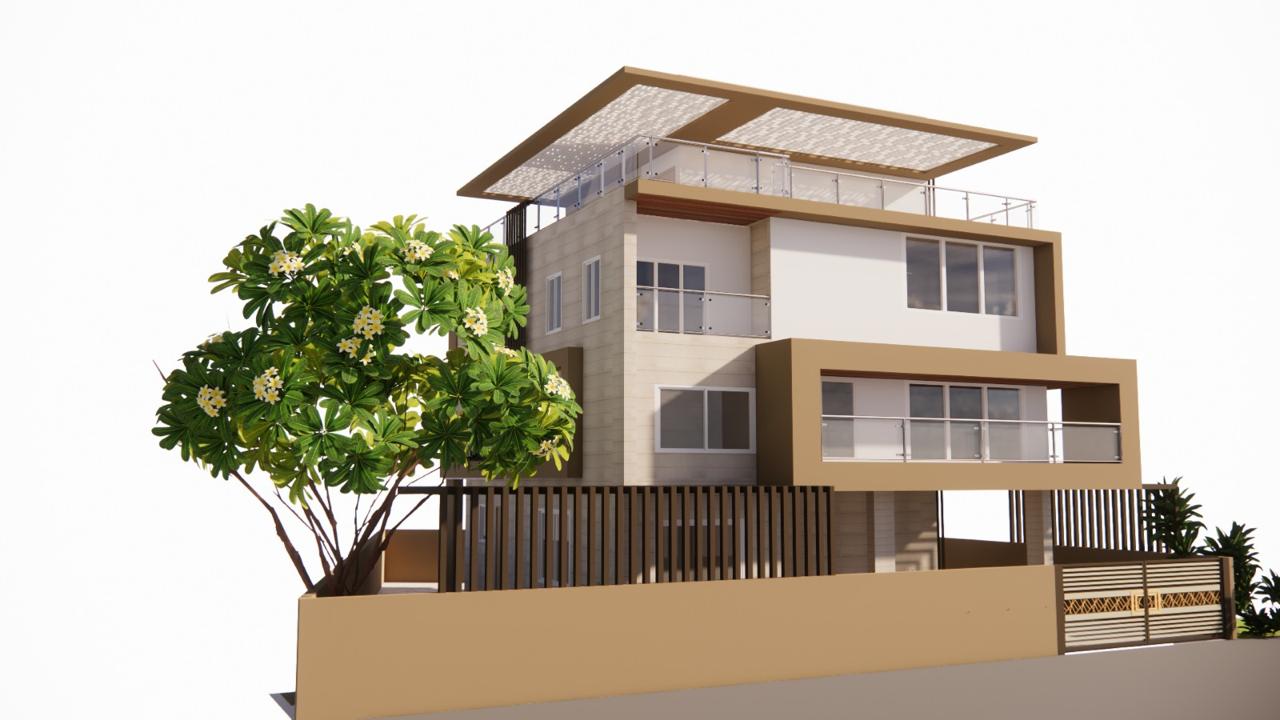
How to choose the right architect in Pune
Searching for the best architects in Pune? A practical checklist for comparing architects, from portfolio and process to fees, approvals and site visits.
Ideas · · 6 min read
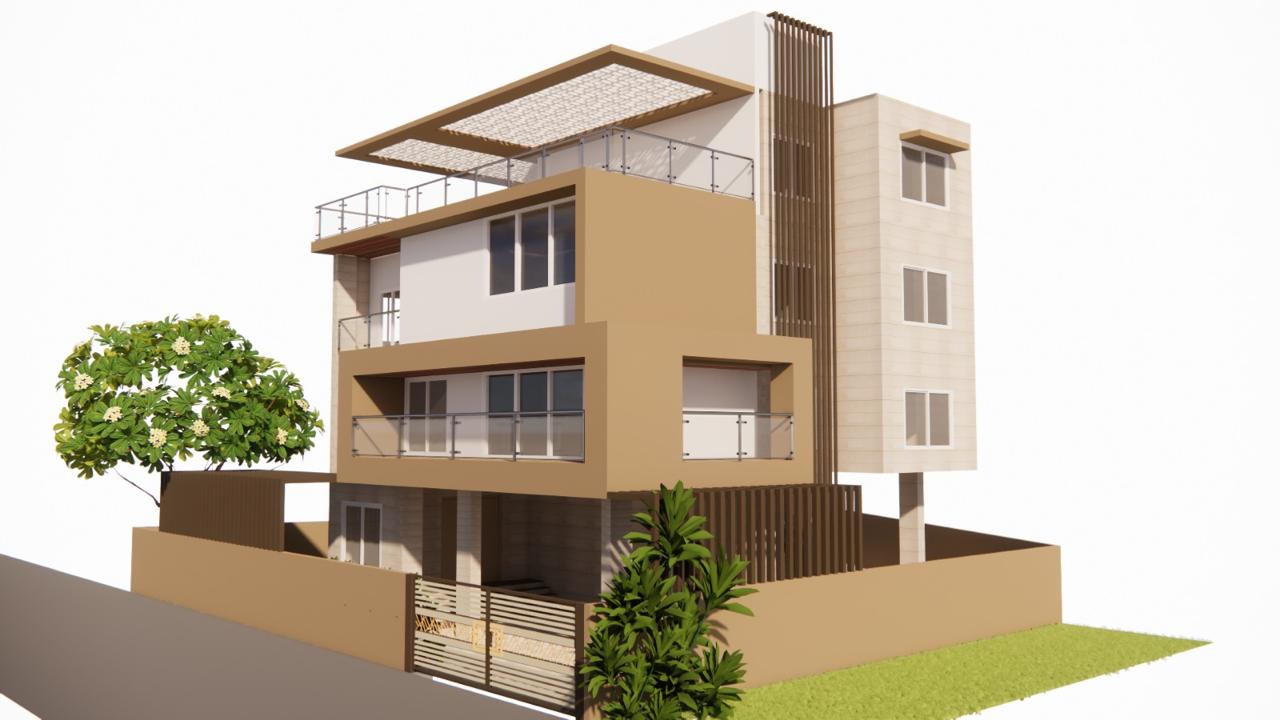
Building elevation design ideas for Pune homes
Front elevation design ideas for houses and bungalows in Pune, from frames and louvres to planted facades, with tips on materials that survive sun and monsoon.
Guides · · 5 min read
Architect or interior designer: who do you need?
Not sure whether to hire an architect or an interior designer in Pune? What each one does, when you need both, and why one team for architecture and interiors saves time.