
Landscape · · 7 min read
Terrace garden design: a practical guide for Pune homes
How to design a terrace or rooftop garden in Pune: structural loads, waterproofing, drainage, planters, plants, shade and seating, step by step.
 By Nilambari TupeArchitect and founder, IO Studio
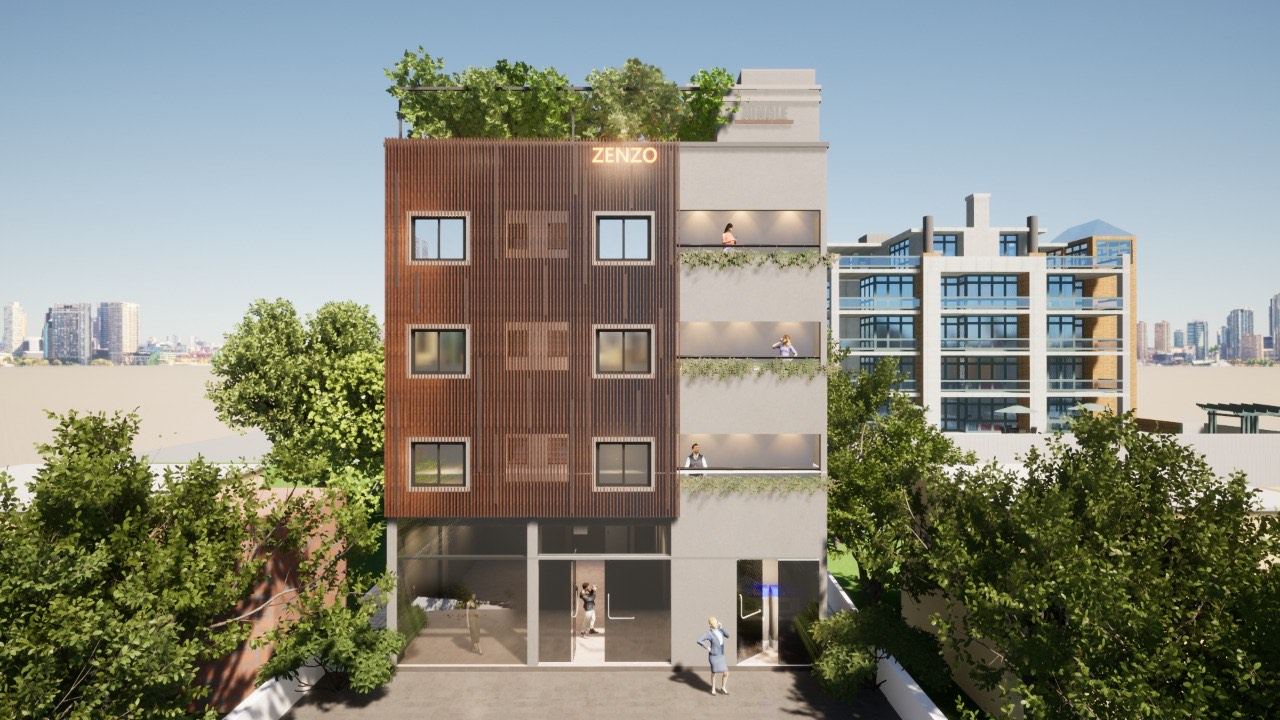
A terrace is often the largest open space a city home has, and the most underused. Designed well, a terrace garden becomes an outdoor room for evenings and monsoon mornings, cools the rooms below and adds greenery to the skyline. Designed badly, it leaks.
Here is how we approach terrace and rooftop gardens at IO Studio.
1. Check the structure first
Wet soil is heavy. Before anything else, a structural engineer should confirm how much load the slab can carry. For new buildings we design the slab for the garden from the start. For existing buildings, planters are placed over beams and walls, and lighter growing media are used.
2. Waterproof properly
This is the most important step and the one most often rushed. A reliable terrace garden has, from the slab up:
- A slope towards the outlets.
- A proven waterproofing membrane, carried up the parapet walls.
- A protection layer and a root barrier.
- A drainage layer that lets water move freely to the outlets.
- A filter fabric to stop soil washing into the drainage.
- The growing medium and plants.
Outlets must stay accessible for cleaning before every monsoon.
3. Raised planters or a full green roof?
- Raised planters along the edges are lighter, easier to waterproof around and suit most existing homes.
- A full green roof covers the slab with planting and gives the best cooling, but needs the structure and layers designed for it.
Many terraces use both: planters for trees and shrubs, and lighter planting elsewhere.
4. Create shade
Pune's afternoon sun makes an open terrace uncomfortable for much of the year. A pergola, a shade sail or climbers on a frame turn it into a usable room. On The Frame House, a pergola crowns the roof terrace and shades the top-floor slab, one of the hottest surfaces of any house.
5. Choose plants for sun and wind
Terraces are sunnier, windier and drier than ground-level gardens. Choose hardy, sun-loving plants, keep tall plants in heavy planters, and use drip irrigation on a timer so the garden survives the dry months.
6. Plan for people
Decide how you will use the terrace before planting it: dining, morning yoga, a children's play area, a kitchen garden. Leave clear paved areas for furniture and plan power points, lighting and a water tap.
7. Think about the view and privacy
Use planters and screens to frame good views and hide water tanks, solar panels or neighbouring buildings. Climbers on a trellis create privacy without blocking breeze.
Terrace gardens in our work
Planted terraces and facades appear across our projects, from the green roof of Zenzo Hostels to the pergola terrace of The Frame House. Our landscape and terraces service covers design, detailing and coordination with your structural engineer and waterproofing contractor. For more ideas, read landscape design ideas for Indian homes.
Frequently asked questions
Will a terrace garden damage my roof?
Not if it is designed for it. The slab must be checked for the extra weight of wet soil and planters, and the garden needs proper waterproofing, a root barrier and drainage layers. Problems almost always come from skipping these steps.
Can I make a terrace garden on an existing building?
Often yes, but a structural engineer should first confirm how much load the slab can carry. Lightweight soil mixes, raised planters along beams and walls, and container gardens are good options for existing roofs.
What are the best plants for a terrace garden in Pune?
Sun-tolerant, wind-hardy plants such as bougainvillea, frangipani in large planters, lemongrass, curry leaf, herbs, succulents and ornamental grasses do well. Choose plants by how much sun and wind each part of the terrace gets.
Planning a project in Pune?
Talk to IO Studio about your home, interior or café.
Book a consultationKeep reading
Guides · · 7 min read
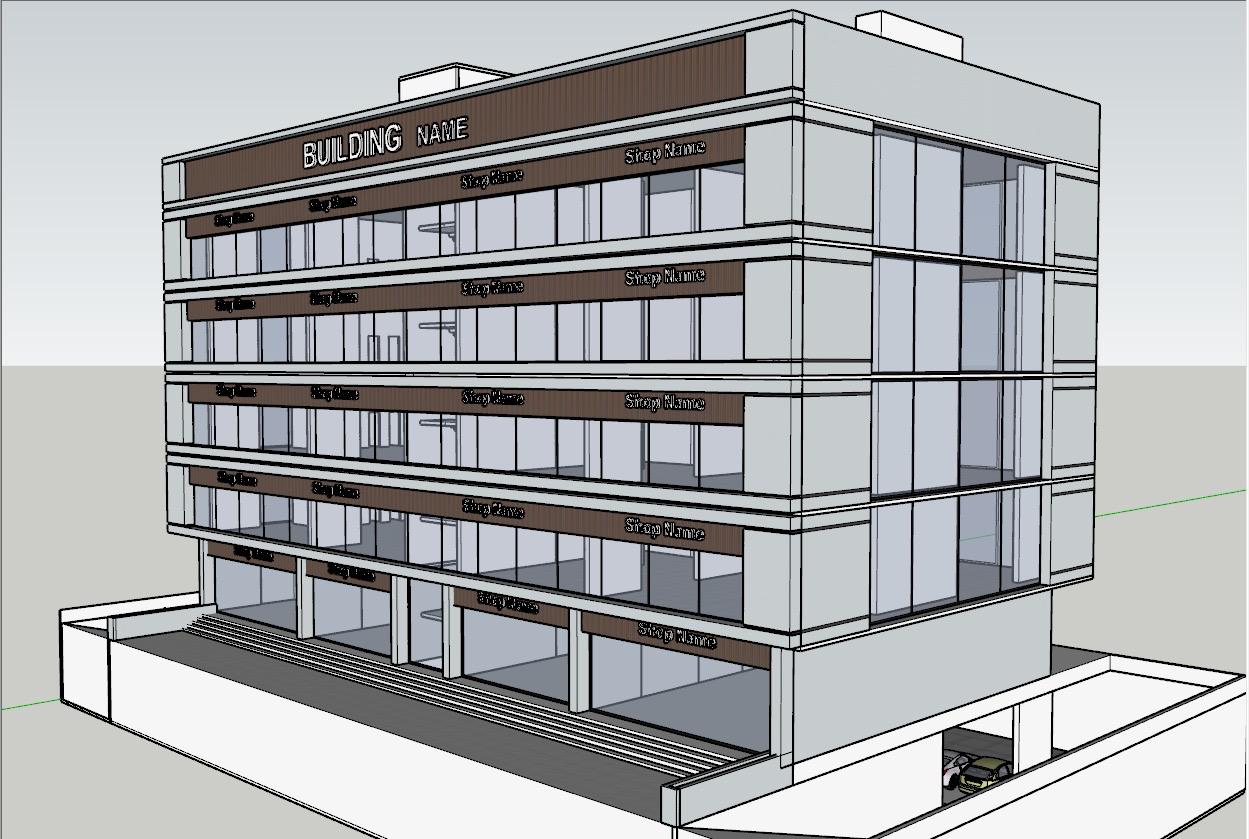
Commercial building design in Pune: shops, offices and parking
How to design a commercial or office building in Pune: street frontage, signage, daylight, facades, parking, services and planning for tenants.
Ideas · · 6 min read
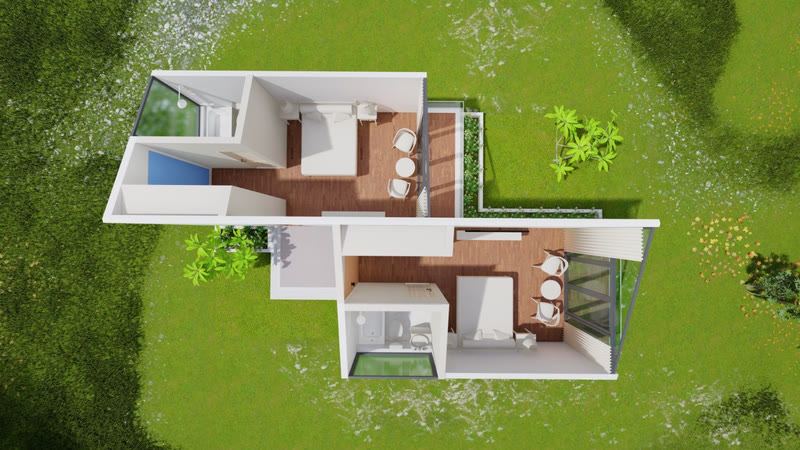
Courtyard house design: light, air and green at the heart of the home
Why courtyard houses suit the Indian climate, and how to design a modern courtyard home with natural light, cross ventilation, privacy and greenery.
Guides · · 7 min read
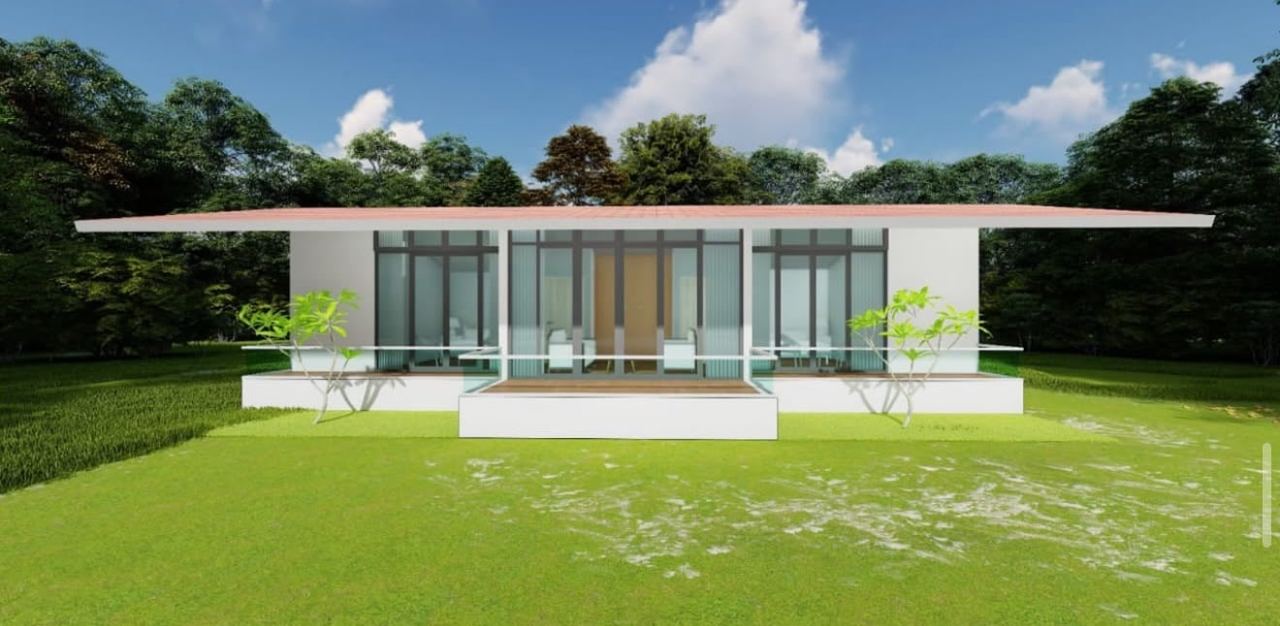
Farmhouse and weekend home design near Pune
Planning a farmhouse or weekend home near Pune in Mulshi, Panshet or Lonavala? Site, monsoon, orientation, materials and low-maintenance design tips.