
Landscape · · 7 min read
Landscape design ideas for Indian homes and bungalows
Landscape design ideas for homes and bungalows in Pune: native planting, shade trees, courtyards, water, lighting and low-maintenance gardens.
 By Nilambari TupeArchitect and founder, IO Studio
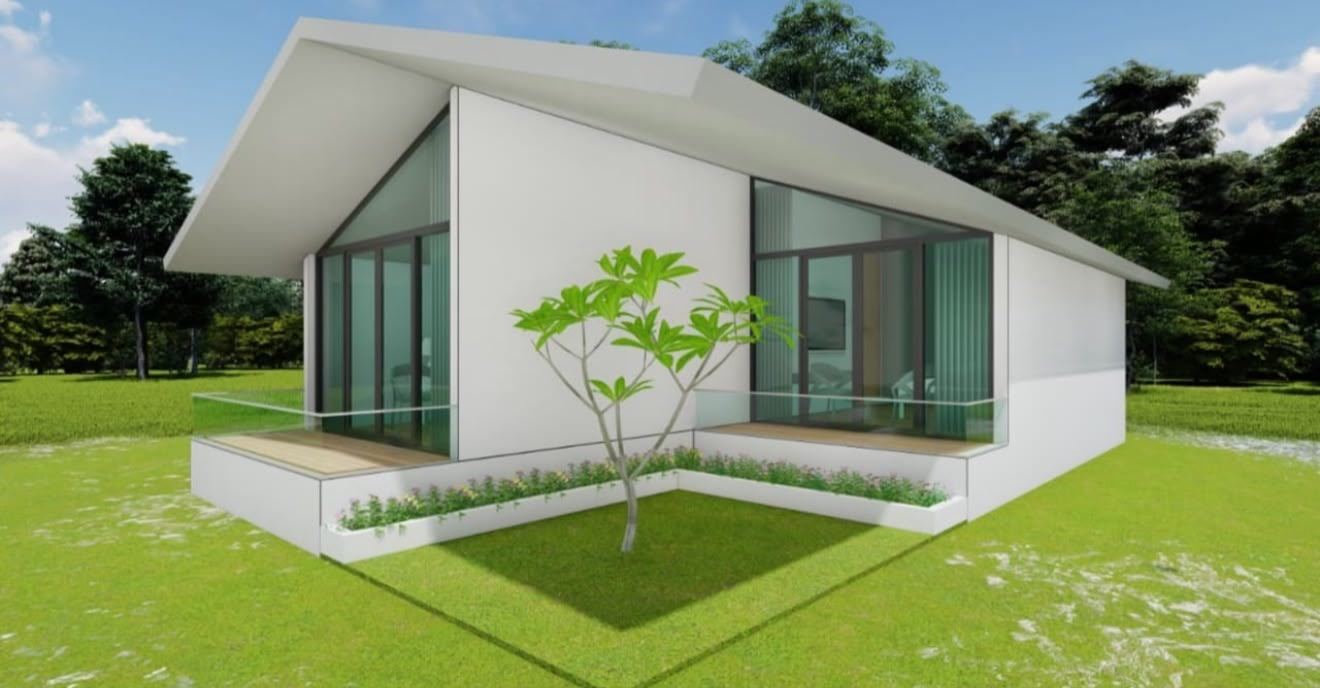
A good garden is not decoration added at the end of a project. In a hot, bright city like Pune, landscape design shapes how cool your home feels, how much light reaches your rooms, and how much time you actually spend outdoors. At IO Studio we plan the landscape together with the architecture, because the view from your sofa and the shade on your window are part of the same design.
Here are the ideas we return to most often for homes and bungalows.
1. Start with shade, not lawn
The most valuable thing a garden can give an Indian home is shade. A well-placed tree on the south or west side cools the walls and windows behind it far more than any lawn. Plan trees first, then decide where open sunny areas should go.
- Deciduous trees let winter sun through and block summer sun.
- Keep large trees a sensible distance from foundations and drains.
- A frangipani or a small flowering tree works well in compact courtyards.
2. Choose native and climate-hardy plants
Plants that belong to the region cope with the dry months and the monsoon with little help. They attract birds and butterflies and keep water bills down. Group plants by their water needs so each zone can be watered efficiently, ideally with drip irrigation.
3. Make outdoor rooms
Treat the garden as a set of rooms: a shaded sit-out for mornings, an open lawn for children, a quiet corner for reading. A pergola, a verandah or a simple deck turns a strip of land into a space you use every evening. Read more in our guide to terrace garden design.
4. Bring the garden inside with courtyards
A courtyard pulls light, air and greenery into the middle of the plan, so even inner rooms look out onto plants. Our Villa at Panshet wraps two suites around a lawn courtyard with a single frangipani tree. See also courtyard house design.
5. Design for the monsoon
Pune's heavy rain is the moment when gardens fail. Good landscape design slopes paving away from the house, uses permeable surfaces where possible, and directs roof water into planting beds or rainwater harvesting pits instead of the street.
6. Use hard landscape sparingly
Stone, brick and gravel paths, low walls and steps give a garden structure, but too much paving traps heat. Keep hard surfaces to the paths and seating you need, and let planting do the rest. Natural stone and exposed brick age well in the climate.
7. Plan the lighting
Soft, low lighting along paths and gentle uplighting on a tree make a garden usable after dark and give the house a warm presence from the street. Avoid floodlights; they flatten the garden and disturb neighbours.
8. Layer the planting
Combine three layers: trees for shade, shrubs for structure and privacy, and groundcovers or grasses to cover soil. Layered planting looks fuller, needs less weeding and keeps the soil cool.
9. Keep maintenance realistic
A garden you cannot maintain becomes a burden. Be honest about how much time or help you will have. Fewer, well-chosen plants, mulch, drip irrigation and a small lawn (or none) keep things beautiful with little effort.
10. Design the boundary
The compound wall and gate are part of the landscape. A planting strip along the wall, climbers on a trellis or a slatted gate that matches the house softens the frontage and gives privacy without feeling closed.
Working with a landscape architect
Our landscape and terraces service covers gardens, courtyards and roof terraces, designed together with the residential architecture so the house and garden work as one. If you are planning a home or reworking a garden in Pune, tell us about your site.
Frequently asked questions
What does a landscape architect do for a home?
A landscape architect plans the outdoor spaces with the house, including garden layout, planting, trees, paving, drainage, terraces, lighting and outdoor seating, so the garden works with the rooms, the climate and the way you live.
Which plants are best for a low-maintenance garden in Pune?
Hardy, mostly native species that handle hot dry months and heavy monsoon rain, such as frangipani, bougainvillea, hibiscus, curry leaf, ixora and ornamental grasses, need far less water and care than large lawns or exotic plants.
When should landscape design start?
Ideally at the same time as the architecture. Planning the garden early means trees, levels, drainage and services are placed correctly and do not have to be redone after construction.
Planning a project in Pune?
Talk to IO Studio about your home, interior or café.
Book a consultationKeep reading
Guides · · 7 min read
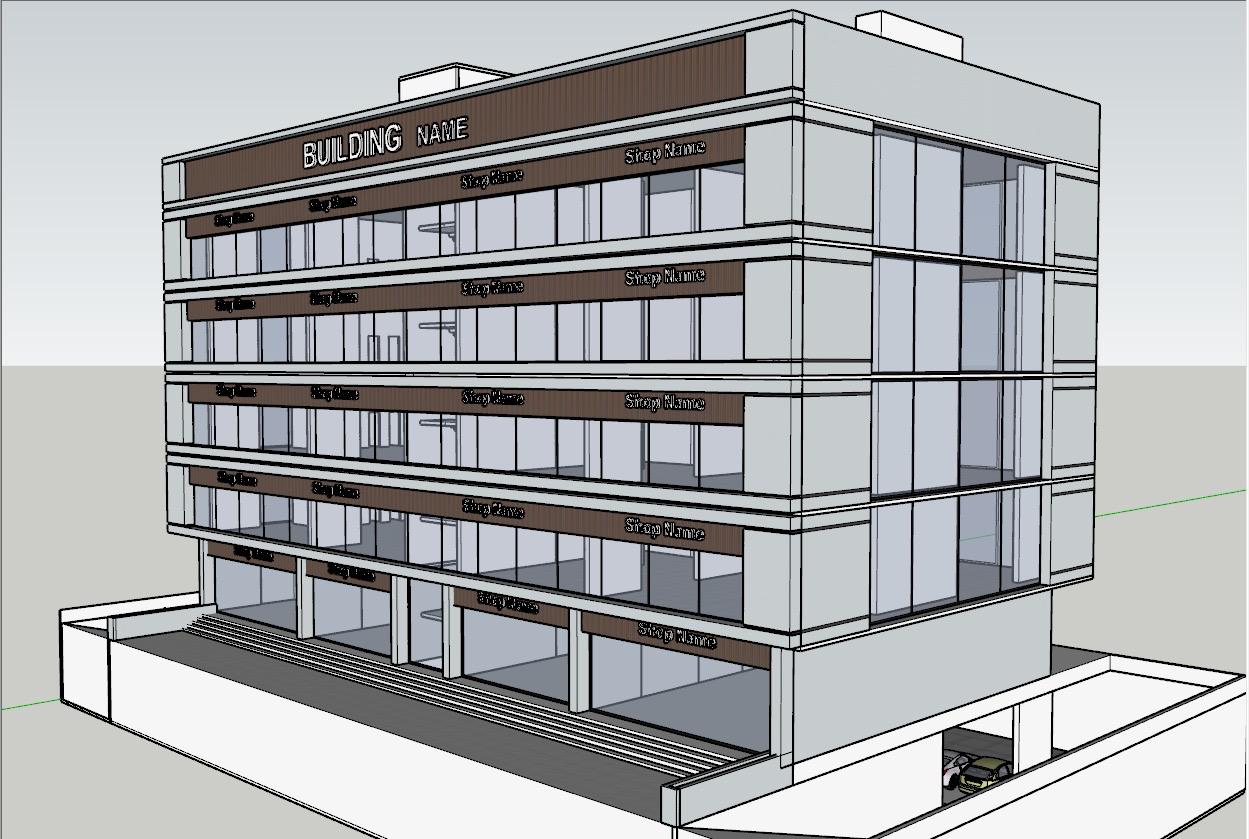
Commercial building design in Pune: shops, offices and parking
How to design a commercial or office building in Pune: street frontage, signage, daylight, facades, parking, services and planning for tenants.
Ideas · · 6 min read
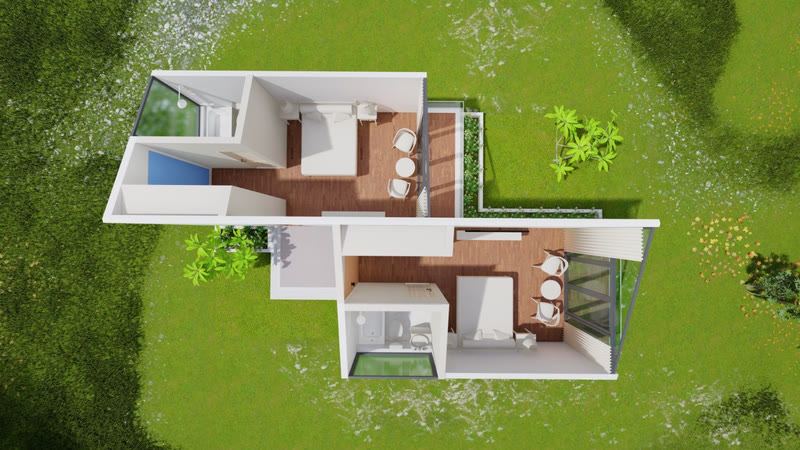
Courtyard house design: light, air and green at the heart of the home
Why courtyard houses suit the Indian climate, and how to design a modern courtyard home with natural light, cross ventilation, privacy and greenery.
Guides · · 7 min read
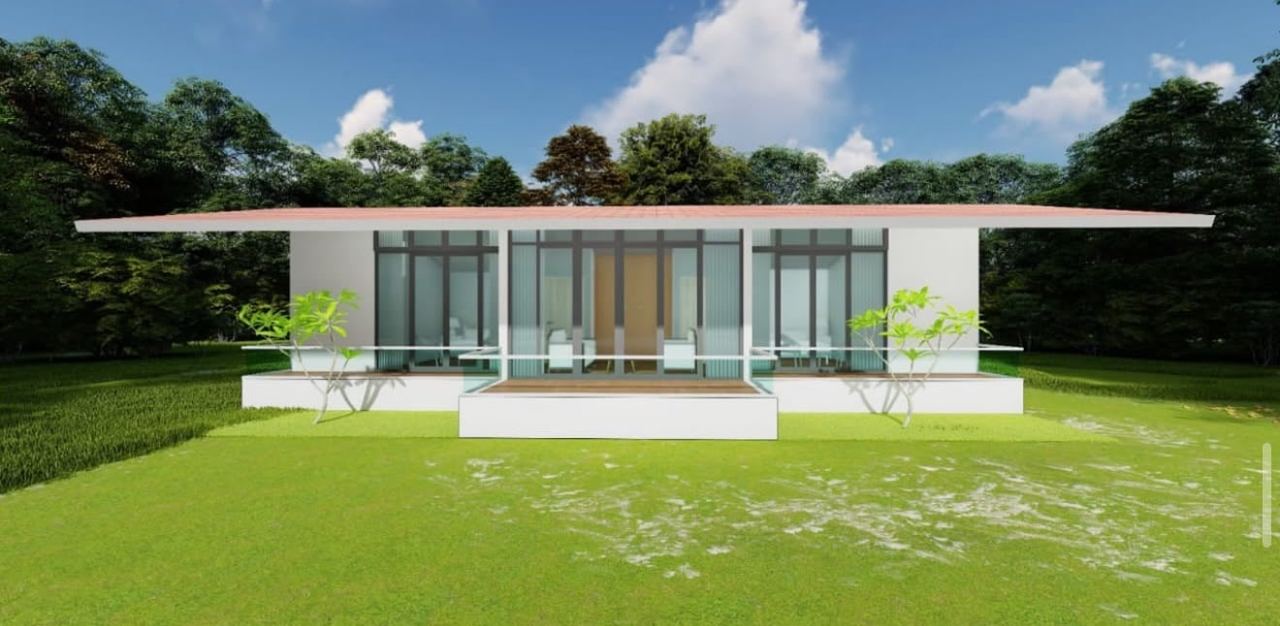
Farmhouse and weekend home design near Pune
Planning a farmhouse or weekend home near Pune in Mulshi, Panshet or Lonavala? Site, monsoon, orientation, materials and low-maintenance design tips.